Introduction
Digital marketing is constantly evolving, and strategies that worked a few years ago are now outdated. In 2026, businesses must leverage AI, automation, and data-driven techniques to stay competitive. Digital marketing now goes beyond just posting on social media or optimizing keywords—it’s about creating personalized experiences, understanding user intent, and delivering content that converts.
Companies that implement advanced strategies are seeing higher engagement, better lead generation, and measurable ROI. If you want to grow your online presence in 2026, these strategies are essential.
1. AI-Powered Content Marketing
AI content tools can create high-quality, personalized content at scale. These tools help businesses:
- Generate blog posts, social media captions, and email content quickly
- Optimize content for SEO and readability automatically
- Analyze trends and suggest topics your audience is searching for
Example: AI can help a marketing team create 10 blog posts in a fraction of the time it would take manually, while maintaining quality and SEO optimization.
2. Voice Search Optimization
With the rise of smart devices, voice search is becoming a dominant way users find information online. To optimize for voice search:
- Use conversational keywords and questions
- Include featured snippets in your content
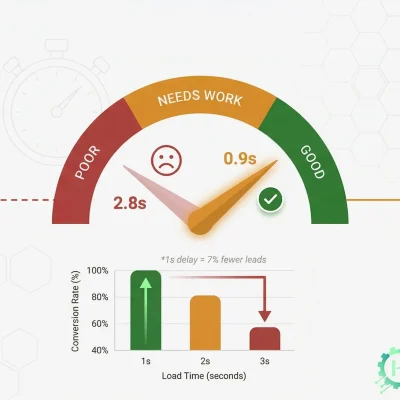
- Make content mobile-friendly and fast-loading
Example: Instead of “best SEO tips,” target “what are the best SEO tips for small businesses?” to match how people speak.
3. Video Marketing & Short-Form Content
Video content is the most engaging medium for modern audiences. Strategies for 2026 include:
- Short-form content on TikTok, Instagram Reels, and YouTube Shorts
- Tutorials, behind-the-scenes, and product demonstrations
- Storytelling that resonates with your audience
Example: Brands using short-form video see up to 60% higher engagement than static posts.
4. Email Automation & Lead Nurturing
Automated email sequences help nurture leads and drive conversions. Effective practices include:
- Personalized emails based on user behavior
- Triggered sequences for abandoned carts, sign-ups, or downloads
- Integration with CRM for seamless tracking
Example: E-commerce businesses can recover lost sales by sending automated reminder emails, increasing revenue by up to 20%.
5. Social Media Automation
Social media automation saves time and ensures consistent posting. Key practices:
- Schedule posts across multiple platforms
- Automate engagement like replies and comments
- Track performance and optimize content
Example: Using a scheduler for Instagram and LinkedIn can save teams hours weekly while maintaining active engagement.
6. Conversion-Focused Landing Pages
Landing pages are critical for turning visitors into leads or customers. Focus on:
- Clear headlines and strong CTAs
- Minimal distractions and fast-loading pages
- Testimonials and social proof for credibility
Example: A well-designed landing page with AI personalization can increase conversion rates by 30–50%.
7. Data-Driven Analytics & Insights
Analyzing data allows businesses to make informed decisions. Use analytics to:
- Track user behavior and conversion paths
- Identify high-performing content and campaigns
- Optimize marketing spend and ROI
Example: Companies that monitor their metrics weekly can quickly adapt campaigns to improve results.
8. Influencer & Collaborative Marketing
Influencer partnerships build credibility and expand reach. Best practices include:
- Partner with micro and macro influencers relevant to your niche
- Focus on authentic promotion rather than paid ads
- Track influencer performance with affiliate links
Example: A small business can grow followers and sales quickly by collaborating with niche influencers who resonate with their target audience.
9. Interactive & Engaging Content
Interactive content keeps users engaged and improves retention. Options include:
- Quizzes, calculators, polls, and surveys
- Gamified experiences on landing pages
- Chatbots and live demos
Example: A product calculator or quiz can increase lead generation while keeping users on your site longer.
10. SEO for User Intent & Quality Content
SEO is evolving beyond keywords. In 2026:
- Focus on solving user problems
- Create in-depth, well-structured content
- Optimize for E-A-T (Expertise, Authority, Trust)
Example: Instead of targeting generic terms, create guides that answer specific questions your audience is searching for, increasing chances of ranking in featured snippets.
Conclusion
The digital marketing landscape in 2026 demands a mix of AI, automation, data-driven strategies, and engaging content. Businesses that implement these strategies will drive more traffic, generate high-quality leads, and increase conversions. Staying ahead requires constant adaptation, experimentation, and leveraging modern tools to connect with audiences effectively.