
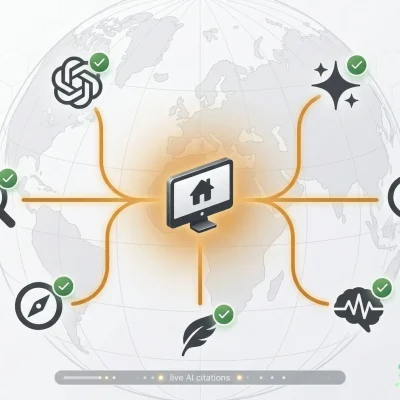
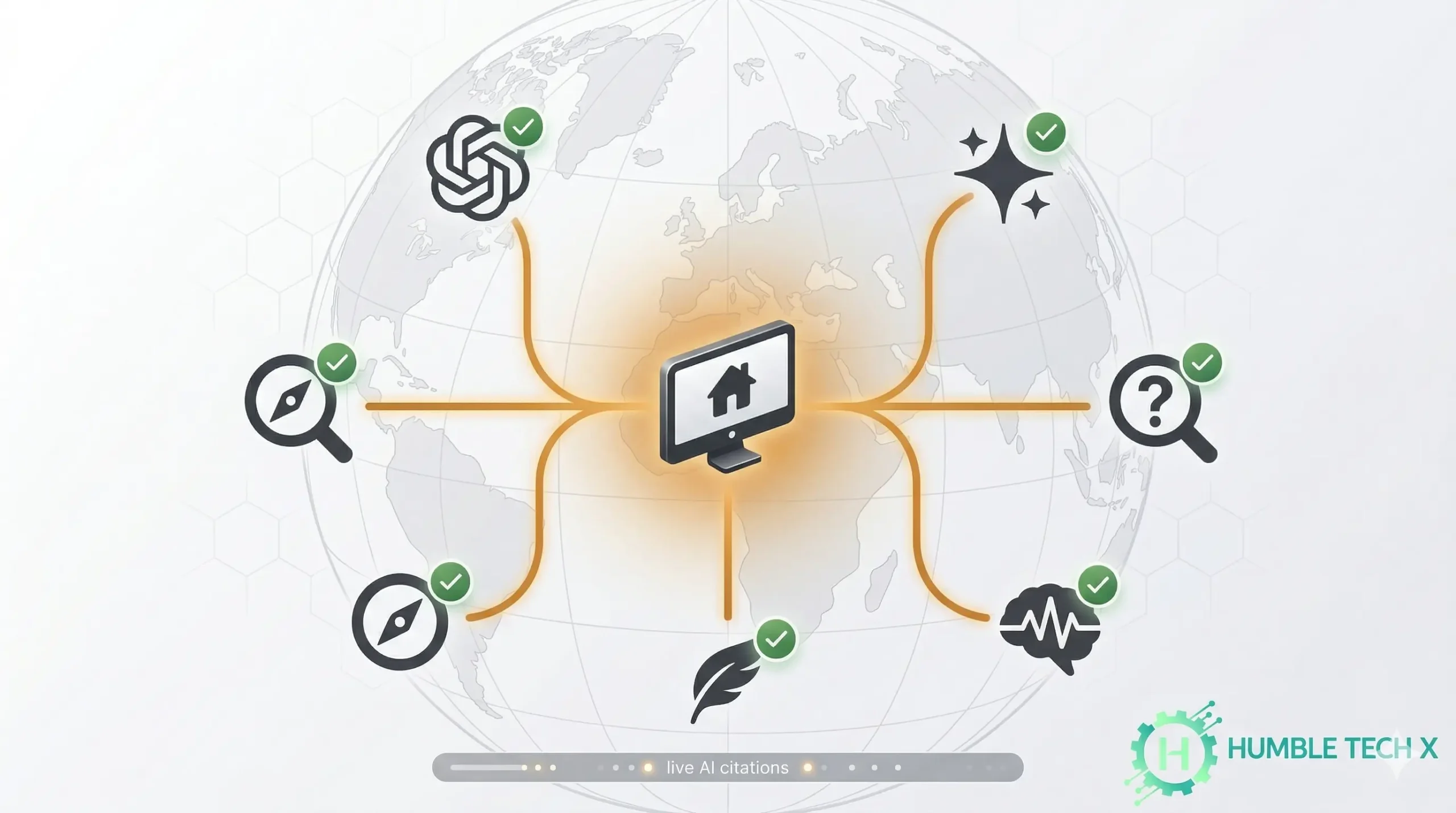
In 2026, customers no longer just Google a question—they ask ChatGPT, Gemini, or Perplexity for a straight answer. These AI tools don’t just list links. They read the web, summarize what matters, and often name the exact business that has the best info. For small businesses, getting cited by these tools can mean free, trust-building exposure that traditional search no longer delivers as reliably. This is where Generative Engine Optimization (GEO) comes in. It’s the practical way to make sure your local shop, service, or small brand shows up when AI gives advice.
What is GEO (Generative Engine Optimization)?
GEO is the simple practice of making your online content easy for AI tools to understand, trust, and quote. Traditional SEO helped you rank in a list of blue links on Google. GEO helps AI engines pick you as the source they reference in their natural-language answers.
Think of it this way: When someone asks “What’s the best coffee shop for remote work in Islamabad?”, Perplexity or Gemini might reply with a short summary and name two or three actual places—complete with why they’re great. GEO makes sure your business is one of the ones the AI feels confident naming. It focuses on clear facts, up-to-date details, structured information, and real authority signals rather than just keywords or backlinks.
The good news? Small businesses often have an advantage here. You can move faster than big corporations to update your site, answer real customer questions, and keep information fresh. No huge budget required—just smarter, clearer content that AI can easily “read” and reuse.
Why 25% of Traffic Is Moving to AI Search
By 2026, Gartner projects that 25% of traditional search volume will shift to AI-powered tools. That’s not a distant future—it’s happening now. Google’s traffic to many publishers dropped sharply in 2025 while AI referrals (especially from ChatGPT) grew dramatically.
Why the shift? People want one clear answer instead of ten tabs. They ask full questions in plain English: “Help me find an affordable electrician who works weekends near me.” AI tools deliver instant, conversational replies and often cite the sources they used. When users get what they need without clicking away, traditional search loses traffic.
5 GEO Strategies That Work for Small Business
You don’t need a team of experts or expensive software. Here are five practical strategies that small businesses are using right now to get cited more often by ChatGPT, Gemini, and Perplexity.
1. Speak in clear, direct answers
Write content the way people actually ask questions. Create short FAQ sections, how-to guides, and “What to expect” pages that start with the answer first. Use simple sentences and conversational language. AI tools love content they can quote almost word-for-word.
2. Add structure that AI can parse easily
Use headings, bullet points, numbered lists, and tables. Add schema markup (structured data) to your website – free tools like Google’s Structured Data Markup Helper make this straightforward. This tells AI exactly what your business hours, location, services, and prices are.
3. Keep everything fresh and factual
Update your site regularly with current prices, new photos, recent reviews, and real customer stories. Include specific numbers (“We completed 87 local installations last month”) and cite reputable sources when you reference industry stats. Fresh, verifiable info earns AI trust.
4. Build consistent signals across the web
Make sure your name, address, phone number, and services are identical on Google Business Profile, your website, social media, and major directories. Positive, recent reviews help too – AI tools notice when real people trust you.
5. Create original insights only you can share
Share your unique experience: “What we learned after 12 years serving families in Islamabad” or “The 3 hidden costs of home renovations most people miss.” AI favors content with genuine expertise that competitors can’t copy.
GEO Readiness Score: Quick 7-Question Checklist
Answer yes or no to see how ready your business is for AI search engines to cite you:
- Is your business information (name, address, phone, hours) 100% consistent across your website and all major directories?
- Does your website use clear headings, bullet points, and structured data/schema markup?
- Have you published at least one new piece of helpful content (blog, FAQ, or guide) in the last 60 days?
- Do you regularly respond to every customer review—positive or negative?
- Does your content include specific facts, numbers, or statistics instead of vague claims?
- Are you mentioned (even briefly) on at least two other trusted websites, such as local news, industry blogs, or review platforms?
- When you type your main service + your city into ChatGPT, Gemini, or Perplexity, does your business appear at all?
Scoring:
- 6–7 yes = You’re AI-ready and likely to get cited soon.
- 4–5 yes = Strong foundation — focus on the gaps.
- 0–3 yes = Start with strategies 1–3 above; big opportunity ahead.
GEO vs SEO: Do You Need Both?
Yes — absolutely. SEO and GEO work together, not against each other.
SEO still matters because strong rankings and backlinks help AI tools discover and trust your site in the first place. GEO takes it further by making sure that once AI finds you, it actually chooses to quote you. SEO drives clicks from people who are browsing. GEO drives mentions in the direct answers that millions now rely on.
Many small businesses see the best results when they keep their SEO basics (fast website, mobile-friendly design, good keywords) while adding GEO touches (clear answers, structured data, fresh facts). The two strategies reinforce each other: better SEO improves your chances of being found by AI crawlers, and better GEO makes your content more likely to be recommended even if someone never visits Google.
A Real Example: Small Business Cited by AI
Take “GreenLeaf Landscaping,” a small family-run operation in a mid-sized Pakistani city. In early 2025 they had a decent website and Google Business Profile but rarely appeared in AI answers. They applied GEO basics: rewrote their service pages to answer common questions directly (“How much does lawn renovation cost in 2026?”), added schema markup for services and reviews, and started a simple blog with local tips backed by specific numbers and before-after photos.
Six months later, when users asked Gemini or Perplexity “best affordable landscaper near me who uses native plants,” GreenLeaf began appearing in the AI summaries with a direct quote from their site and a link to their review page. Referrals from AI chats increased noticeably, even though their traditional Google ranking barely changed. The owner didn’t run new ads — he simply made his existing knowledge easier for AI to read and trust. Customers now arrive saying, “The AI recommended you.”
The Bottom Line for 2026 and Beyond
AI search isn’t replacing the internet — it’s changing how people discover small businesses like yours. The playing field is more level than ever. Big brands may have bigger budgets, but small businesses win when they stay authentic, update often, and communicate clearly. Start small: Pick one service page, rewrite it as a direct answer to the questions your customers actually ask, and run it through the GEO Readiness checklist. In a few weeks, test yourself by asking ChatGPT, Gemini, and Perplexity the same questions your customers would. You might be surprised how quickly your business starts showing up. The future of discovery is conversational. The businesses that speak clearly and truthfully to AI today will be the ones customers hear about tomorrow. Your move.